

Wisdom teeth do not always cause problems, but when they do, prompt attention makes a real difference. At Crown Dental Group in Narre Warren South, our experienced team assesses each patient individually to determine whether removal is the right course of action and guides you through every step of the process.

Wisdom teeth, or third molars, are the last permanent teeth to emerge, typically appearing in the late teens or early twenties. Many patients do not have enough space in their jaw to accommodate them comfortably, which can lead to impaction, crowding, infection, or decay in the surrounding teeth. Wisdom teeth removal is a tooth extraction procedure carried out to address these issues before they develop into more significant dental problems.
Unlike other teeth, wisdom teeth often emerge at an angle or only partially break through the gum, making them harder to clean and more susceptible to decay and infection. When problems are left unaddressed, they can affect not just the wisdom tooth itself but the adjacent teeth and surrounding bone. Early assessment allows your dentist to monitor the situation and recommend removal at the right time, reducing the risk of complications down the track.


An impacted wisdom tooth is one that cannot fully emerge through the gum. It may grow at an angle, press against the adjacent tooth, or remain partially submerged, increasing the risk of infection and decay.

Persistent jaw pain, pressure, or discomfort at the back of the mouth can indicate that a wisdom tooth is causing problems. If the pain is severe or sudden, our emergency dentistry team can assess you promptly.

Partially erupted wisdom teeth create pockets around the gum line where bacteria can accumulate. This raises the risk of infection, inflammation, and gum disease that is difficult to manage without removing the tooth.

Wisdom teeth sit at the back of the mouth and are harder to clean effectively. When decay develops in a wisdom tooth or the tooth next to it, removal is often the most practical solution.

Wisdom teeth that push against neighbouring teeth can gradually affect their position, creating crowding or misalignment that impacts the rest of the smile.
Step-by-step format sets clear patient expectations before booking. 3–6 steps with realistic timeframes where applicable.
Your dentist will examine your mouth and take X-rays or advanced imaging scans to assess the position, angle, and root structure of your wisdom teeth. A personalised treatment plan is developed based on these findings.
Local anaesthetic is used in most cases to numb the area around the tooth. For patients who are anxious or require a more complex extraction, sleep dentistry options, including IV sedation, may be discussed. Your dentist will outline what is available and appropriate for your situation.
Your dentist carefully loosens and removes the tooth. In cases of impaction, a small incision may be made in the gum to access the tooth. The area is then cleaned and closed.
Some swelling and discomfort in the days following extraction is normal. Your dentist will provide detailed aftercare instructions to support a smooth recovery and reduce the risk of complications such as dry socket.
A follow-up review allows your dentist to check healing progress and address any concerns. Most patients are back to normal within one to two weeks.
Patient smile images. AHPRA rules apply — genuine patients, consistent lighting and angles, outcomes disclaimer required.
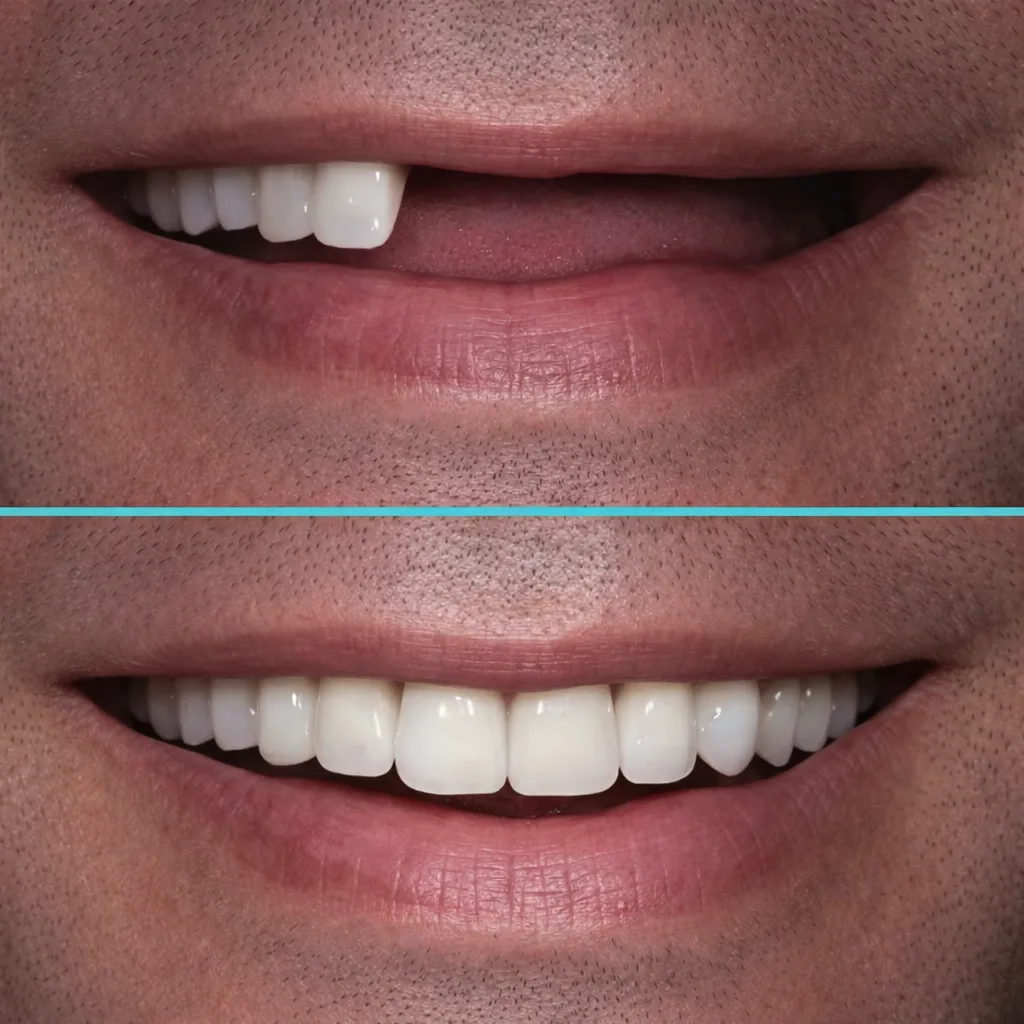
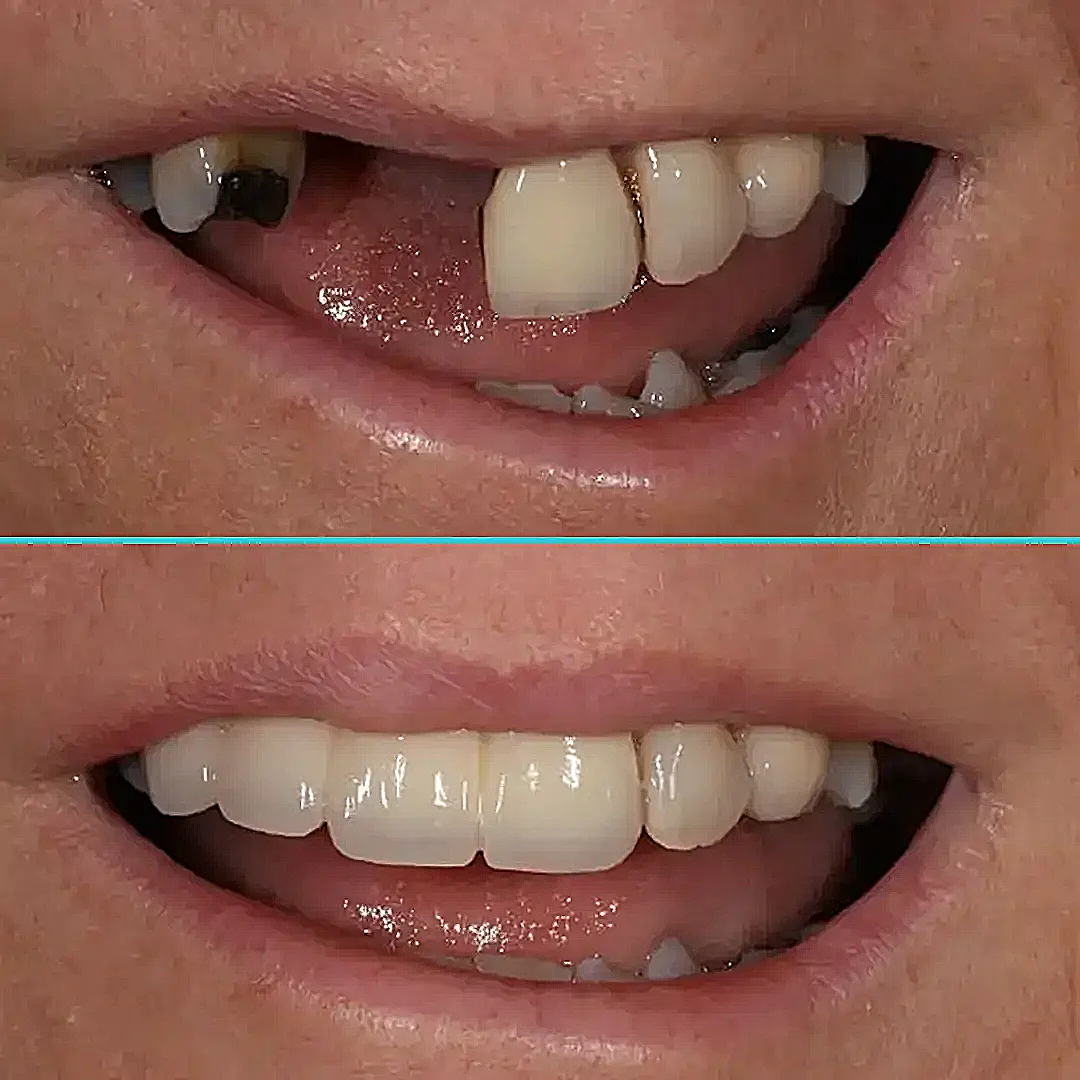
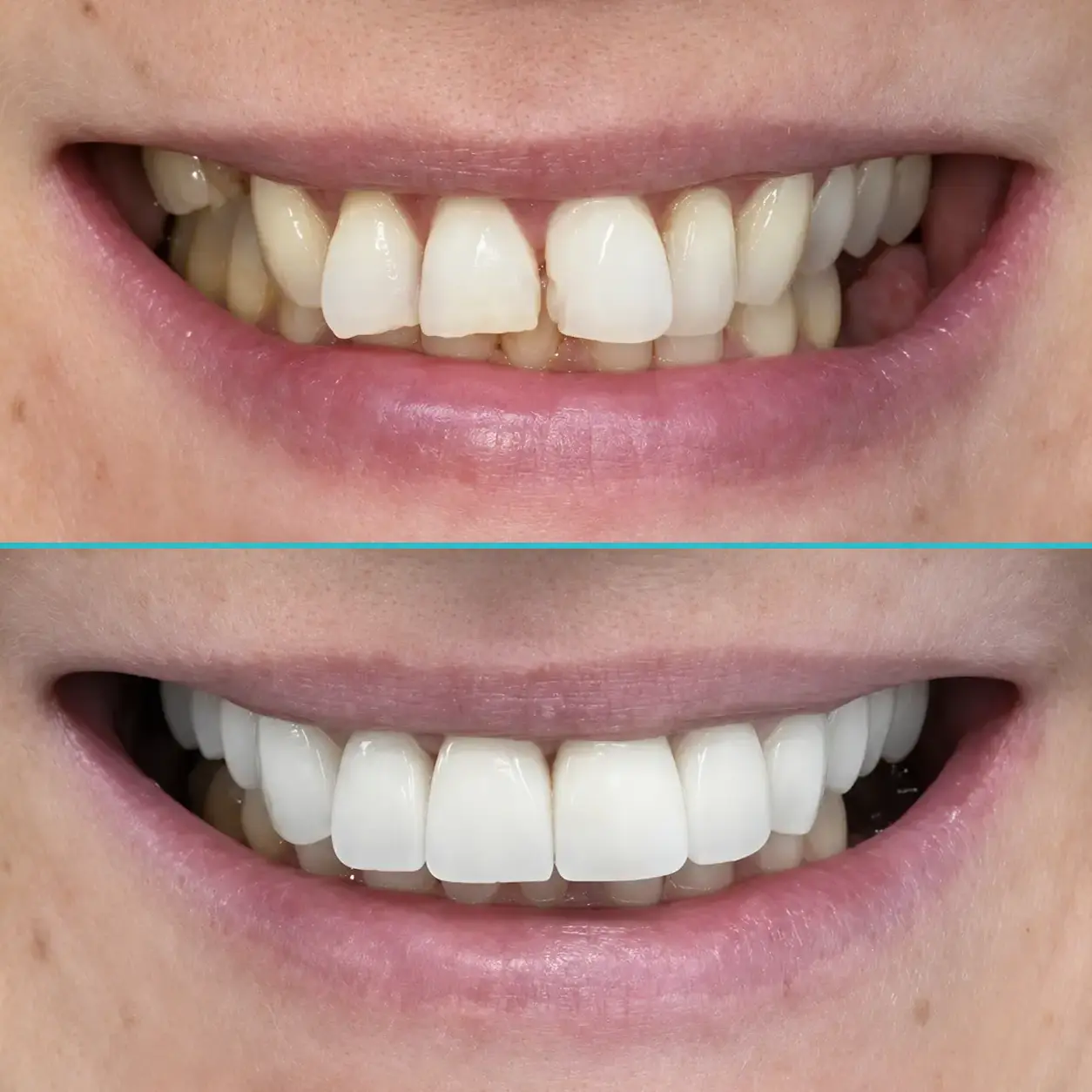
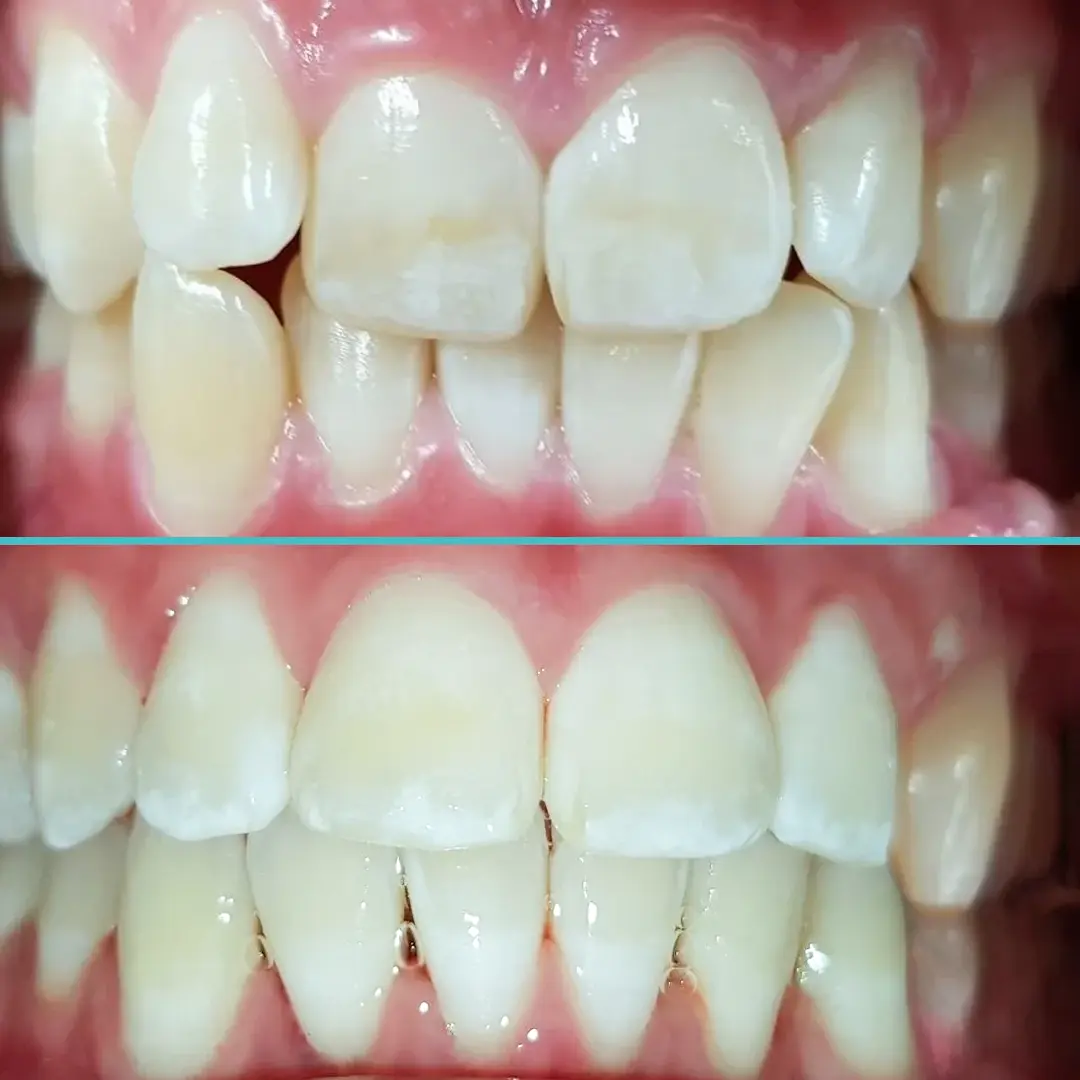
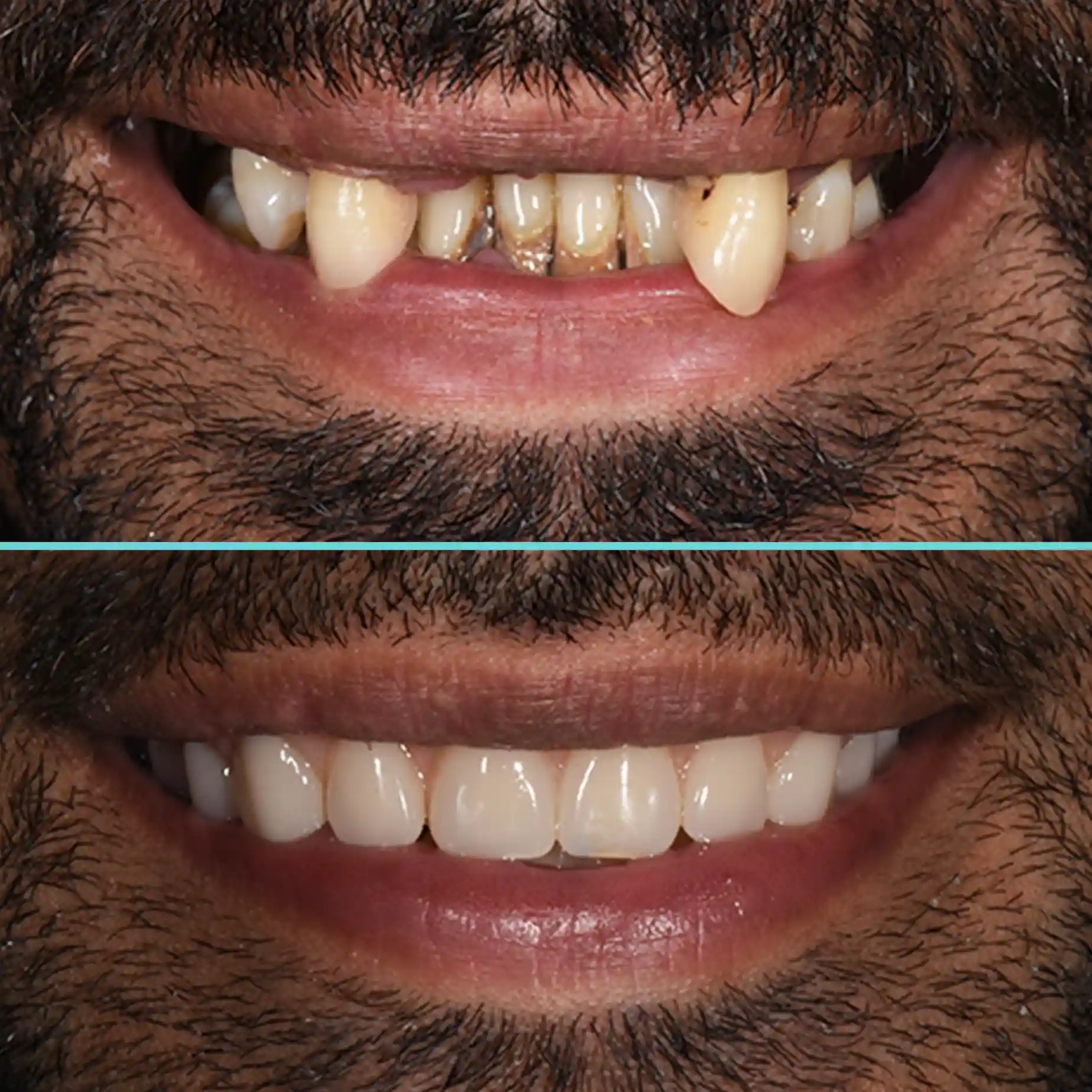
Individual outcomes vary. Images shown are of actual patients and are reproduced with consent. Results depend on individual clinical factors and cannot be guaranteed.
Wisdom teeth typically begin to develop in the mid-teens and emerge in the late teens or early twenties, though the timing varies between individuals. An assessment during this period allows your dentist to monitor their development and identify potential problems early, before symptoms develop or complications arise.
Not necessarily. Your dentist will assess each tooth individually and recommend removal only where there is a clinical reason. In some cases, all four are removed in one appointment for convenience, but this depends on your individual situation.
Yes. Not all wisdom teeth require removal. If they have erupted fully, are positioned correctly, and can be cleaned effectively, monitoring at regular check-ups may be all that is needed. Your dentist will assess each tooth individually and only recommend removal where there is a clinical reason to do so.
Most patients take one to two days off following the procedure, though this varies depending on the complexity of the extraction and individual healing. Those with physically demanding jobs may need additional time. Your dentist will advise on activity restrictions at your post-operative appointment.
Soft foods are recommended in the days immediately following extraction. Soups, yoghurt, mashed vegetables, and similar options are easier to manage while the area heals. Hard, crunchy, or chewy foods should be avoided until your dentist advises otherwise. Your dentist will provide specific dietary guidance as part of your aftercare instructions.





No matter where you are in the south-east, expert care is just around the corner. All clinics offer online booking for your convenience.
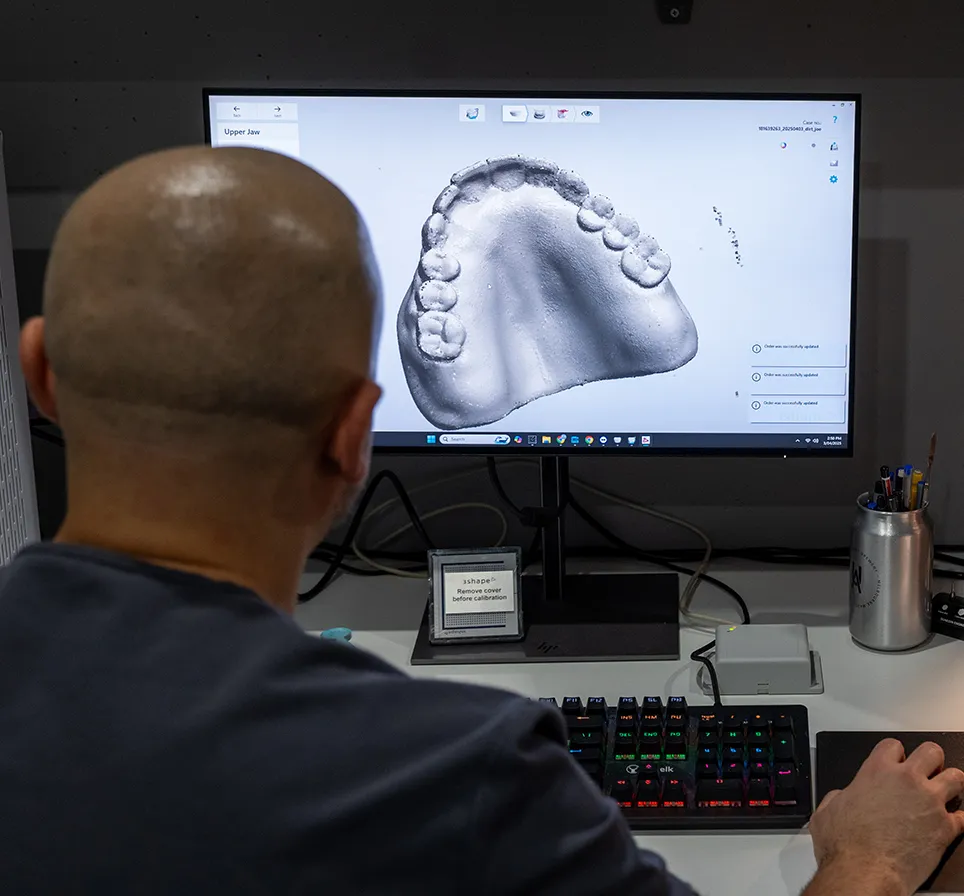

Take the first step towards a healthier, more confident smile. Book online or contact your nearest Crown Dental Group clinic today.
Book AppointmentNew patients receive a comprehensive examination, X-rays, OPG scan, scale and clean, and fluoride treatment — all for just $249 at Crown Dental Group..